An After-Hours Cleaning Handoff Checklist for Office Managers
A practical guide to building access, room priorities and reporting for Saskatoon workplaces

By D’s Deep Commercial Cleaning
After-hours cleaning gives a crew access to shared spaces when most employees are gone. For an office manager, the main challenge is handing over enough information for the work to go ahead without someone from the office having to stay behind. Write down how the crew will get in, what gets cleaned, and what to do when the site does not match the plan.
This checklist is for a Saskatoon workplace onboarding a provider, changing cleaning hours, or adding rooms to an existing agreement. Walk through the office together before the first evening visit. Use what you see to update the scope and give the same version to the people responsible for the work.
Confirm the cleaning window and building access
Start with the hours when cleaning can happen. An office may officially close at five but still have evening appointments, board meetings or employees working late. Record typical exceptions and decide how the crew will be told about an unusually busy night. If the building has common-area restrictions or a separate loading entrance, check those arrangements with property management.
- Entry and exit: Identify the approved entrance, where equipment can be brought in, and who handles final lockup.
- Access changes: Name the person who can help if a room is unexpectedly locked or the crew's usual entrance is not available.
- Restricted areas: List rooms the crew should skip unless an authorized person clears them.
- Alarm information: Use the building's approved secure process for access credentials. Keep codes and similar details out of the general checklist.
Agree on a fallback before a visit goes wrong. For example, an unexpectedly occupied meeting room can be marked for later in the visit if the worker can return, or logged as missed if the room never becomes available. A clear default saves both the crew and the office manager from guessing.
Describe the work room by room
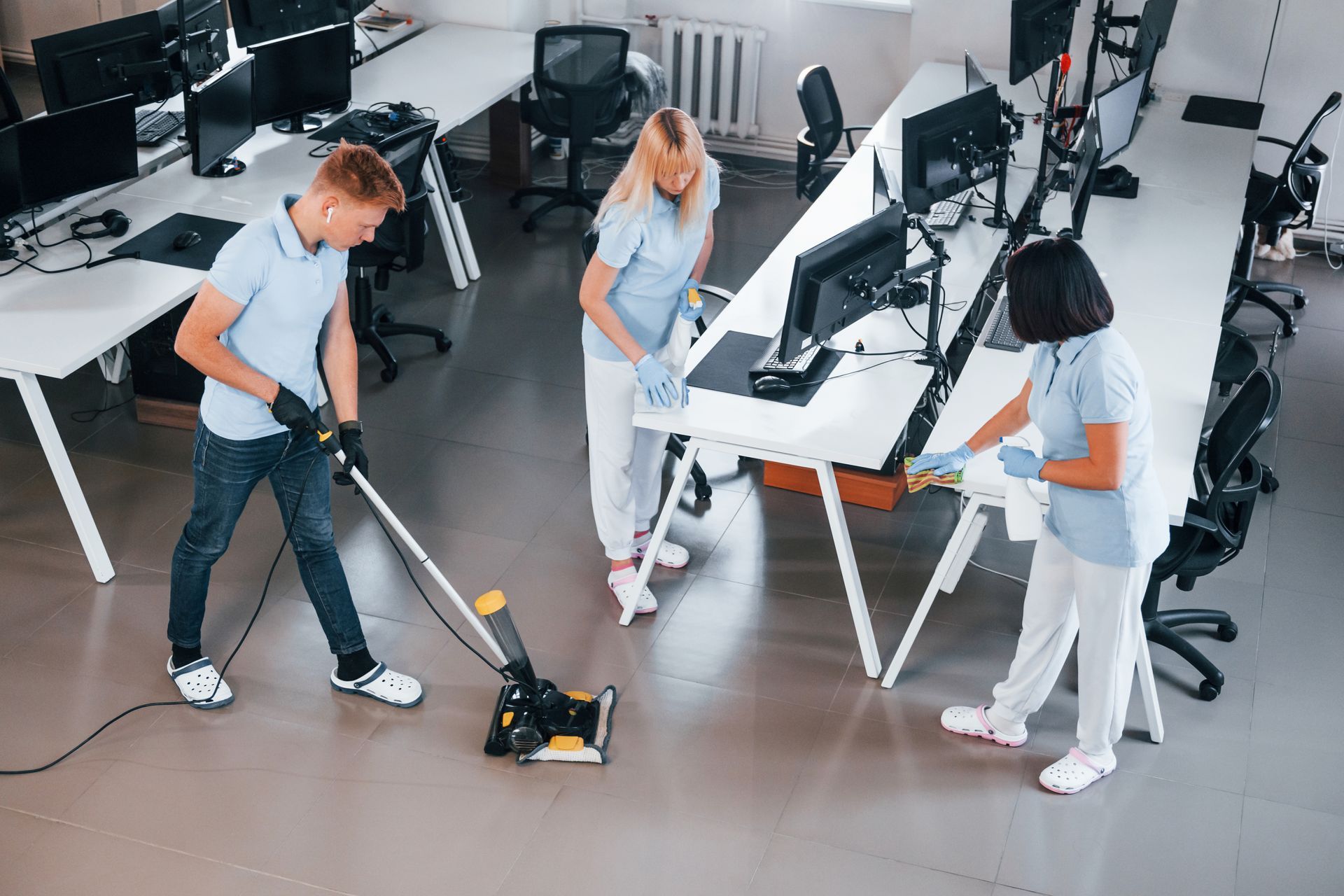
A list that says “clean office” leaves too much open to interpretation. In the walkthrough, separate reception, common workspaces, meeting rooms, washrooms and kitchenettes. Note what is expected each visit and what is periodic. If the building has several tenants, make sure the scope separates your suite from building-managed corridors and washrooms.
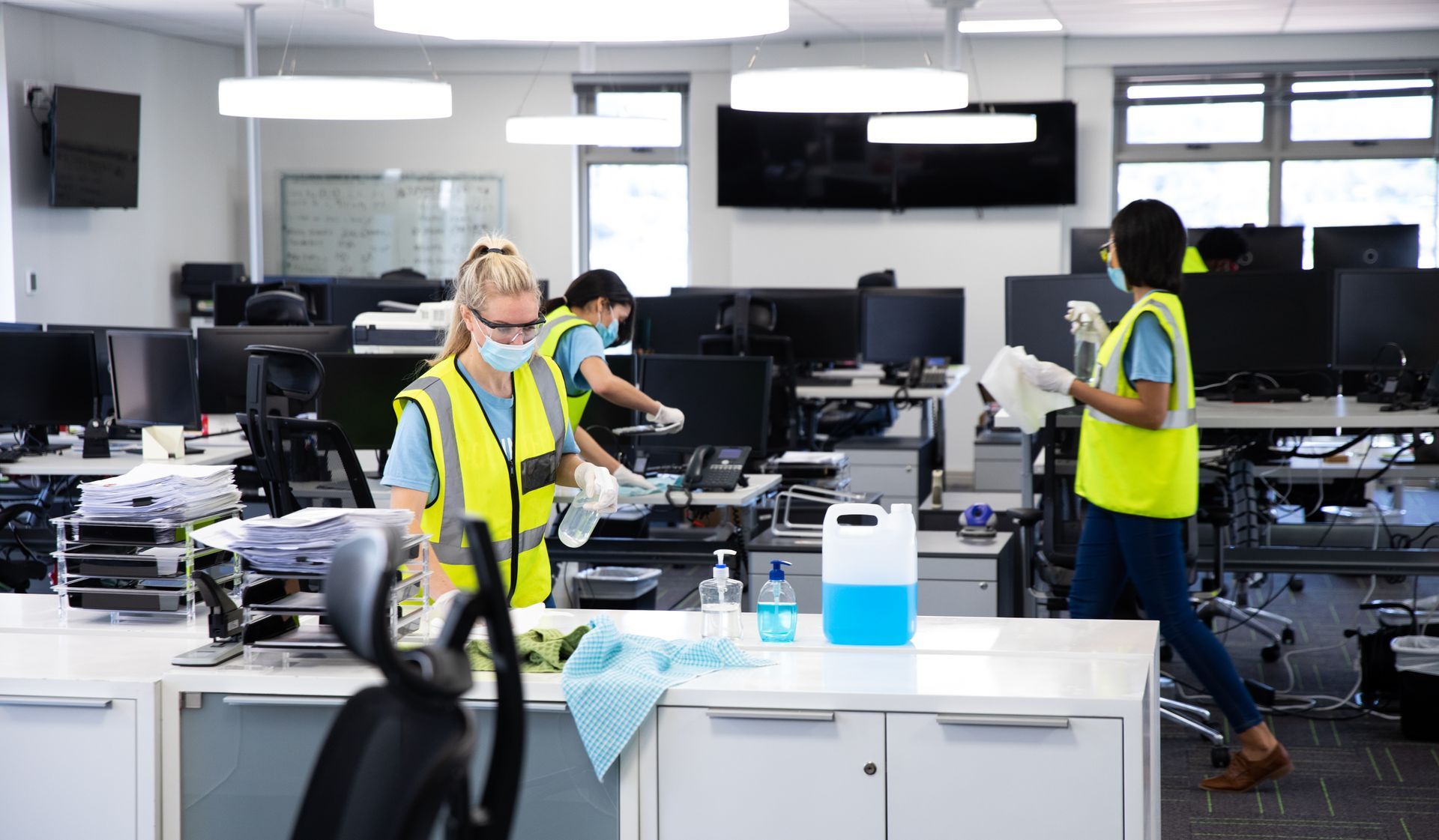
For reception and meeting rooms, identify visitor-facing areas that need to be ready first and whether furniture should be reset after cleaning. For workstations, agree on whether surfaces are cleaned only when they are clear. Make it explicit that papers, personal mugs and devices should be left in place unless other arrangements are agreed.
For washrooms and kitchenettes, separate cleaning from restocking and waste collection. Name who supplies consumables, where approved replacement stock is kept, and how shortages are reported. For floors, distinguish routine vacuuming or damp cleaning from special work that needs lead time, access, or a quieter period. Confirm floor materials before specifying a process.
Give the crew a clear reporting route
Use one contact and one backup. Decide what calls for an immediate alert and what belongs in the routine log. An active leak or a door that will not secure needs a different response from a bin that was missed because a room stayed occupied. Tell the crew whom to notify and whether to continue elsewhere while the issue is being handled.
A useful routine note has three parts: location, what happened and what was left unfinished. For example: “Second-floor meeting room was occupied until close; floors were not cleaned; please include on the next visit.” Avoid asking for photographs where documents, visitor information or devices might be visible. Set a simple method for reporting so the supervisor can find notes instead of searching through separate inboxes or messages.
Review the first week in person
Book a short review while everyone remembers the first visits. Walk the areas that see the most use, and check the same things each time: accessible surfaces, floor edges, waste stations, washroom supplies and room reset. Compare what you see with the actual checklist rather than assuming every task was included. Ask what the crew could not access and whether a timing change would help.
Fix the written checklist after the walkthrough. If the problem is a door that remains locked, changing access is more useful than adding another line to the cleaning scope. If a rush of late meetings keeps the boardroom occupied, arrange a different visit sequence or agree that the task moves to another day. Keep one dated copy with the office and crew leads and revisit it when occupancy or hours change.
What to prepare for a quote
Gather the site address, approximate area, floor types, desired service days, occupancy hours and any special access restrictions. Identify the rooms that need the most attention and distinguish immediate needs from work that can rotate. A floor plan or room list will help a provider understand the building without relying on square footage alone.
Frequently asked questions
1. Can we start with a smaller scope?
Yes, if the essentials are clear. You might start with shared rooms and washrooms, then add tasks after the first review. Write down what is included from day one and agree on how additions will be handled.
2. Should every office have the same checklist?
Use the same headings across locations if they help your team, but tailor the actual tasks and cleaning times to each site. A quiet professional office and a busy client-facing office may have different priorities.
3. What if a meeting runs past the cleaning start time?
Agree on a fallback before it happens. The crew can clean other available areas first, then return to the occupied room only if the agreed window still allows it. Otherwise, the office contact and provider can decide whether to move that room to the next visit.
4. Who handles the alarm when another contractor is also on site?
Have the building manager assign one closing lead and tell both contractors who it is. The cleaning crew should have an approved contact to call if they cannot confirm the building is empty or the alarm will not set. Use the building’s existing access procedure rather than sharing codes informally.
5. Should cleaners move papers to wipe down a desk?
Make the default explicit. For example, ask staff to clear desks they want wiped and let the crew clean only exposed surfaces when papers or personal items are left out. Agree separately on how to handle shared workstations and any areas with confidential material.
Related services
If you're planning an after-hours handoff, review our office cleaning services or request a free quote. Share when the space is available, which areas need service and who can join the walkthrough. That will make the first conversation more productive.
Request a Free Quote
For a quote on after-hours office cleaning in Saskatoon, call 306-203-6049 or email daymon@dsdeepclean.com.